
close
Choose Your Site
Global
Social Media


Views: 0 Author: Site Editor Publish Time: 2026-07-14 Origin: Site


System failures in water treatment carry severe consequences for your business. Chemical leaks expose contractors to massive compliance penalties. Sudden pressure drops cause costly facility downtime. These issues immediately damage your hard-earned reputation. Standard materials often fail under these extreme conditions. Polypropylene Homopolymer (PPH) now serves as a mandatory specification in the industry. It handles aggressive chemicals safely. It withstands high-temperature environments reliably without deforming. We designed this article to provide an evidence-based framework. You need reliable ways to evaluate industrial piping components. We will guide you through shortlisting the best water treatment PPH fittings for your next complex project. This guide ensures you make informed, risk-free purchasing decisions.
Chemical & Thermal Thresholds: PPH excels in high-temperature (up to 90°C) and highly corrosive environments, vastly outperforming standard PVC.
Application Matching: Selection depends heavily on the specific subsystem—dosing lines require different configurations than primary wastewater discharge.
Compliance is Non-Negotiable: Validating international standards (like ISO 15494) mitigates regulatory and operational risks.
Legacy materials often compromise modern water treatment systems. Metal alloys easily corrode during exposure to harsh chemicals. Rust introduces particulate contamination into purified water streams. Standard PVC quickly deforms under high-temperature conditions. It loses structural rigidity rapidly above 60°C. These limitations force contractors to seek better alternatives. Project success depends entirely on specifying the right materials early.
You must meet strict success criteria to protect your project margins. First, hazardous chemical transport requires absolute zero-leak assurance. A single breach invites heavy regulatory fines. It also mandates expensive environmental cleanup operations. Second, you need drastically reduced installation timelines. Reliable fusion welding offers this necessary speed. Thermal joints eliminate curing times associated with solvent cements. Third, facility owners demand predictable lifecycle reliability. PPH delivers on all these critical fronts.
Specify PPH during specific, high-risk project scenarios. Use it for high-temperature effluent discharge lines. Choose it when handling aggressive acids or concentrated alkalis. Standard commercial plastics cannot survive these continuous exposures. PPH provides a necessary safety margin for these demanding applications. It absorbs pressure spikes effectively. It resists internal abrasion from suspended particles.
You must evaluate components across several technical dimensions. This rigorous evaluation ensures long-term operational stability.
PPH operates reliably under continuous high temperatures. Industrial systems routinely handle fluids up to 90°C. However, you must calculate pressure derating very carefully. As system temperatures rise, the maximum allowable operating pressure drops. You cannot apply standard room-temperature pressure ratings to hot lines. Doing so invites catastrophic pipe ruptures.
Thermal expansion also requires careful engineering planning. PPH pipes expand linearly as they heat up. Long pipe runs absolutely require engineered expansion loops. You must install proper anchoring mechanisms. These anchors direct thermal movement away from sensitive equipment. Failure to accommodate this expansion causes severe stress on joints. This physical stress inevitably leads to premature mechanical failure.
Water treatment facilities process highly reactive chemical agents daily. Sodium hypochlorite, sulfuric acid, and sodium hydroxide destroy standard piping. PPH resists these aggressive chemicals highly effectively. It maintains its structural integrity over decades of continuous exposure. It does not degrade, swell, or dissolve in these environments.
You must distinguish between different application requirements carefully. General wastewater pipe fittings handle diluted effluents. They require robust construction but face lower chemical concentrations. Conversely, specialized chemical dosing fittings face neat, concentrated chemicals. These dosing components demand much higher manufacturing precision. They also require stricter material purity. This prevents chemical degradation at the molecular level.
PPH offers highly unique mechanical properties. It features a highly uniform, dense crystalline structure. This density gives it exceptional rigidity compared to Polypropylene Copolymer (PPC). PPC offers slightly better low-temperature impact resistance. However, PPH excels heavily in high-stress, high-temperature industrial environments.
You can expect an extensive lifecycle from these premium components. Continuous-flow environments test the limits of any industrial material. PPH resists internal abrasion from heavy suspended solids. It naturally prevents mineral scaling and biological buildup. This smooth internal surface keeps flow rates highly consistent. It reduces the load on system pumps over the installation's lifespan.
Contractors often compare materials before making a final design decision. The comparison below illustrates why PPH dominates aggressive fluid environments.
Material Type | Max Operating Temp | Chemical Resistance | Corrosion Risk |
|---|---|---|---|
PPH | Up to 90°C | Excellent (Acids/Alkalis) | None |
Standard PVC | Up to 60°C | Moderate | None |
Carbon Steel | High | Poor | High |
Stainless Steel (316) | Very High | Good (Varies) | Moderate (Pitting) |
Different plant zones demand very specific component configurations. Choosing the exact right parts prevents catastrophic system failures.
Valves serve as the critical control points in your entire system. Evaluating a PPH ball valve requires extreme attention to detail. First, deeply assess the torque requirements. Actuated valves need consistent, predictable operating torque. High-friction valves damage expensive electric or pneumatic actuators over time. This leads to automated system failures.
Next, strictly scrutinize the internal seal materials. O-rings must match the chemical media perfectly. EPDM seals work exceptionally well for bases and diluted acids. FPM (or FKM) seals provide much better resistance against strong oxidizers. Finally, always prioritize true union valve designs. True union valves allow incredibly easy maintenance. Technicians can remove the entire valve body without cutting the pipe.
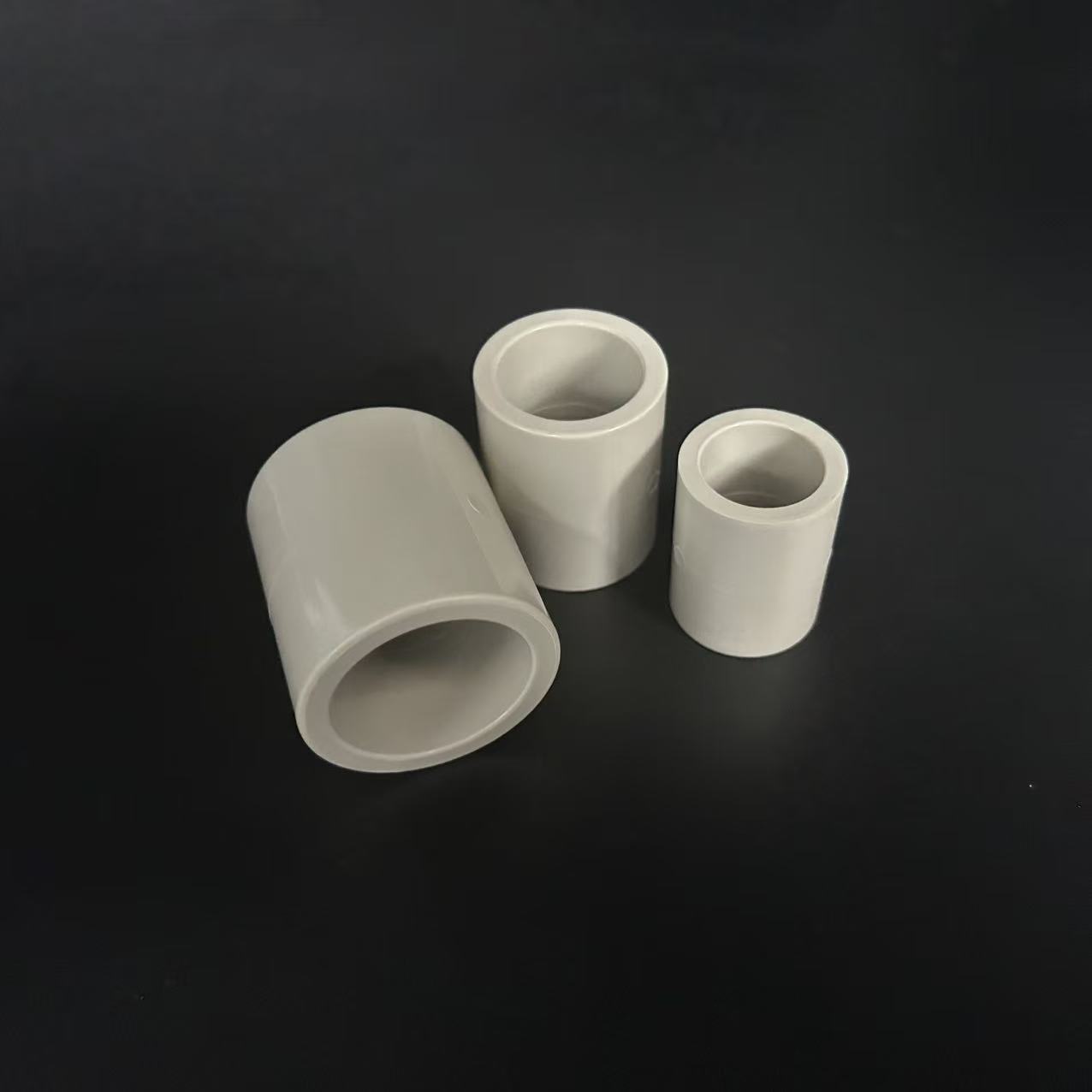
Joint integrity heavily dictates the overall reliability of your system. Assessing a PPH pipe coupler involves choosing the correct fusion method. Socket fusion works best for smaller pipe diameters. It creates a highly robust, overlapping joint. Butt fusion suits larger diameters perfectly. It provides a smooth, seamless, end-to-end connection. Both methods require highly precise temperature control during installation.
Transitioning between different materials poses another complex challenge. Facilities often integrate new PPH lines into older legacy infrastructure. Flange connections offer highly secure transitions to metal pipes. You must use the correct bolt tightening sequence. Threaded adapters work well for smaller instrumentation connections. Always avoid over-tightening plastic threads. Use specialized thread sealants explicitly designed for industrial plastics.
Regulatory compliance strongly protects your business from legal liability. You must verify industry standards before purchasing any materials.
ISO 15494 serves as the primary global standard for industrial plastic piping systems. Validation against this standard remains absolutely critical. It proves the material can physically handle continuous industrial stress. Using uncertified parts exposes contractors to immense legal and operational risks. Do not ever compromise on this mandatory requirement.
Material traceability also matters immensely in industrial applications. Always request certificates for raw material sourcing. You need 100% virgin PPH resin. Recycled resins introduce dangerous microscopic impurities. These impurities create hidden weak points in the pipe wall. This inevitably leads to premature stress cracking under heavy pressure.
Consider regional approvals during your evaluation process as well. Different jurisdictions require specific local certifications. ASTM standards often apply strictly in North American markets. European projects typically demand strict DIN or EN compliance. Ensure your chosen supplier fully meets the exact local requirements of your project site.
Even the highest quality components fail if installed incorrectly. Contractors must manage several field-level implementation risks proactively.
Fusion welding requirements demand deep respect and preparation. You cannot use chemical solvents to join PPH components. You must use specialized thermal fusion equipment exclusively. Technicians require proper certification for both socket and butt fusion. Inconsistent heating causes weak, brittle joints. Contaminated heating irons ruin the polymer's molecular structure. Invest heavily in certified training for your field installation crews.
Environmental factors heavily influence your installation success rate. Manage cold-weather installations extremely carefully. PPH becomes highly brittle at freezing temperatures. Dropping a pipe in sub-zero conditions can easily cause micro-fractures. Store materials in climate-controlled areas right before welding. Shield fusion zones from cold winds to ensure uniform cooling.
Support and bracing require highly specific engineering calculations. High-temperature applications soften the pipe slightly during operation. Heavy industrial fluids compound this weight issue. Follow strict hanger spacing guidelines to prevent dangerous sagging.
Consider these essential best practices for proper bracing:
Calculate support spacing based precisely on the maximum operating temperature.
Use continuous V-channel supports for extremely hot fluid lines.
Install specialized sliding hangers to permit linear thermal expansion freely.
Avoid over-tightening fixed clamps around the pipe circumference.
Proper support prevents fluid pooling, physical stress fatigue, and eventual system rupture.
Selecting a reliable manufacturing partner requires rigorous operational vetting. You need far more than just a glossy product catalog.
Start by demanding extensive batch consistency data. Ask directly for their internal quality control documentation. Request their most recent burst testing results. Review their melt flow index (MFI) reports thoroughly. Consistent MFI ensures every part welds identically in the field. Variability here causes welding failures.
Inventory depth and lead times directly impact your project schedules. Ensure the manufacturer easily supplies a complete system. They should offer pipes, fittings, and valves under one single brand. Mixing brands actively compromises system integrity. It also severely complicates warranty claims if a failure eventually occurs.
Evaluate their technical support capabilities deeply. A good supplier acts as a true engineering partner. They should assist you directly with pressure drop calculations. They must help you design effective thermal expansion loops. Strong technical backing significantly reduces your internal engineering overhead.
Take decisive next steps during the active evaluation phase. Request physical sample parts from all prospective suppliers. Review their detailed technical data sheets (TDS) line by line. Cross-reference their chemical compatibility charts directly against your project specifications. Never buy blindly based on marketing claims alone.
Proper PPH fitting selection provides a massive strategic advantage. It directly mitigates expensive project risk. It ensures strict regulatory compliance effortlessly. Ultimately, it protects your profit margins by eliminating costly field rework.
We strongly recommend prioritizing verifiable testing data over basic unit cost. System-wide material compatibility vastly outlasts short-term financial savings. The right industrial materials guarantee long-term operational success.
Are you ready to optimize your next water treatment project? Download a comprehensive chemical compatibility chart today. Request a detailed project consultation from a certified manufacturer. Review the technical product catalog to find the exact components your facility requires.
A: PPH components typically handle continuous operating temperatures up to 90°C. However, you must carefully calculate pressure derating. As temperatures rise above 20°C, the maximum allowable system pressure decreases significantly. Always consult the manufacturer's pressure-temperature curves before finalizing your design.
A: PPH serves as the reliable workhorse for standard chemical dosing. It handles most commercial acids and bases perfectly. PVDF accommodates higher temperatures and a broader spectrum of extreme chemicals, but it carries a massive price premium. For standard water treatment, PPH provides vastly superior value.
A: You should never mix components from different brands. Different manufacturers use slightly varying polymer blends. This results in mismatched tolerances and unequal melt flow indices. Welding dissimilar plastics creates weak joints, instantly voids warranties, and severely increases the risk of catastrophic system leaks.
A: Thermal fusion remains the only acceptable method. Socket fusion works best for smaller pipe diameters, creating a highly robust, overlapping joint. Butt fusion is ideal for larger lines, providing a perfectly seamless connection. Both methods require specialized heating equipment and trained technicians to ensure absolute reliability.


